Building services · Cannock
Demolition
in Cannock
Prepare for the next stage of your project with demolition and clearance scoped around the structure, nearby services and the areas that must remain.
Get My Free Quote20 years' trade experience
5-person core team
Fully insured, public liability
Free, no-obligation quotes
The right starting point
Demolition for your property
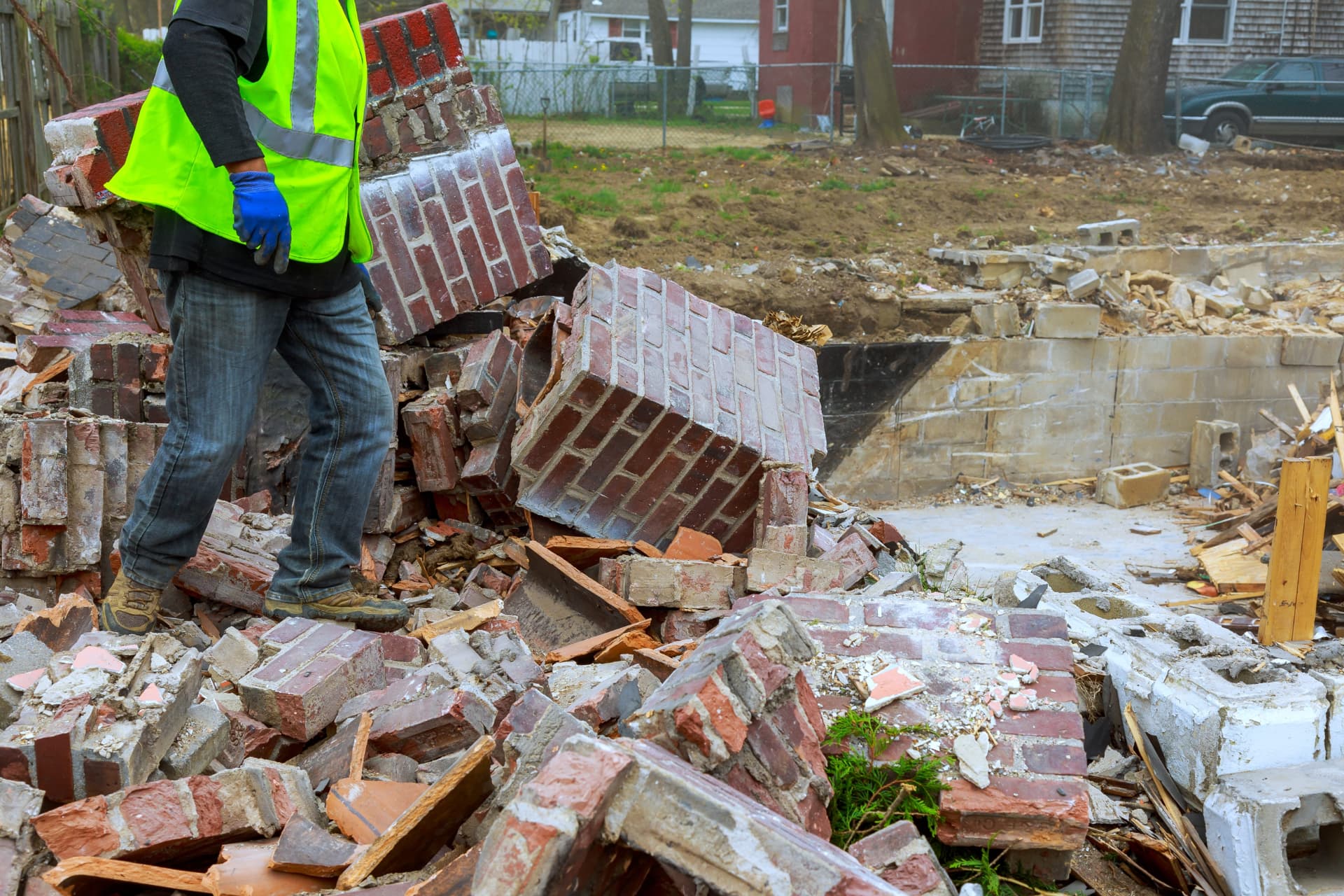
Demolition is the controlled removal of work that is no longer needed. For a domestic project that might be an outbuilding or part of a wider alteration; for a site preparation project it may form the first stage before groundworks. The important question is not only what will be removed, but how removal affects the property and the people around it.
MD Building Developments lists demolition and clearance among its services. Property owners in Cannock can discuss the proposed removal alongside the next stage of building work. A defined scope helps distinguish demolition, waste arrangements, protection of retained areas and the work required to leave a site ready for the following trade.
Avoid the wrong repair
What can go wrong if the cause is missed?
Removing part of a structure can change the stability of what remains. Nearby services, shared walls and hidden materials can introduce risks that are not obvious from a photograph. Starting because a building looks small or unused is not a safe basis for deciding the method.
Common mistakes include assuming utility connections are inactive, treating every waste material as ordinary rubble, or ordering removal before understanding approvals and structural responsibilities. Older buildings may contain materials that need assessment before disturbance. Keep people away from unstable structures and do not begin dismantling suspect materials yourself. If there is an immediate threat to people or neighbouring property, seek appropriate emergency assistance rather than waiting for a routine quote.
Our process
From assessment to completion
Define removal and retained areas
Explain exactly what needs to go and what must remain, including adjoining walls, surfaces and access routes. Available plans, site history and known service information help identify further assessment. Structural or hazardous-material questions must be resolved as appropriate before the work is treated as ready to start.
Agree protection, sequence and clearance
The plan needs to reflect the structure, surrounding property, services and site access. Discuss waste categories, removal arrangements and any approvals or specialist input. The quotation should make the handover condition clear so demolition and the following groundworks are not priced against different assumptions.
Review the cleared site
At completion, check the agreed boundaries of removal and any retained areas affected by the work. Clarify what remains, what has been cleared and what the next trade needs to know. A tidy-looking site should not be mistaken for proof that all hidden ground or structural issues have been resolved.
What this means for you
Practical benefits, fewer avoidable problems
Clear boundaries before removal
Defining what stays protects the project from misunderstandings about walls, surfaces and neighbouring structures. A demolition scope should be more precise than a request to clear everything out.
A better handover to the next trade
Agreeing the condition needed for groundworks or rebuilding helps avoid repeated clearance and conflicting expectations. Demolition is part of a sequence, not simply the disappearance of a structure.
Unknowns addressed early
Service history, structural connections and suspect materials can change the approach. Identifying the questions before work starts helps separate ordinary removal from work needing specialist assessment.
Materials, methods and planning
What to consider before demolition starts
Outbuildings and domestic alterations
Garages, garden structures and other outbuildings differ in construction, condition and connection to services. A detached-looking structure may still have supplies or links to adjoining work. The scope needs to identify those conditions rather than assume an unused building is isolated.
Partial removal is different from taking down a whole structure. Retained walls and openings may need design or temporary support considerations. If the project involves structural changes, bring the relevant plans and clarify who is responsible for the design information before agreeing removal.
Services and adjacent property
Water, gas, electricity and drainage may be present even where fittings no longer operate. Appropriate identification and isolation need consideration before demolition. Do not rely on a removed meter, an unused socket or a verbal assumption as evidence that every service is safe.
Shared boundaries and adjoining buildings also affect the scope. Explain ownership, access and any known agreements so responsibilities can be discussed. Statutory processes or permissions may apply depending on the work; confirm the requirements with the appropriate adviser rather than assuming a building contractor's quote settles them.
Materials, surveys and disposal
Brick, concrete, timber and other materials require a suitable removal and disposal plan. Mixed waste, restricted loading and the route off site influence the practical arrangements. Ask the quotation to explain disposal responsibilities instead of assuming every load is included automatically.
Suspect hazardous materials need assessment before disturbance, and some work requires specialist contractors. Demolition and clearance should not be described as permission to remove asbestos or other hazardous material. If the composition of an older roof or lining is uncertain, make that uncertainty part of the initial discussion.
Site preparation and commercial settings
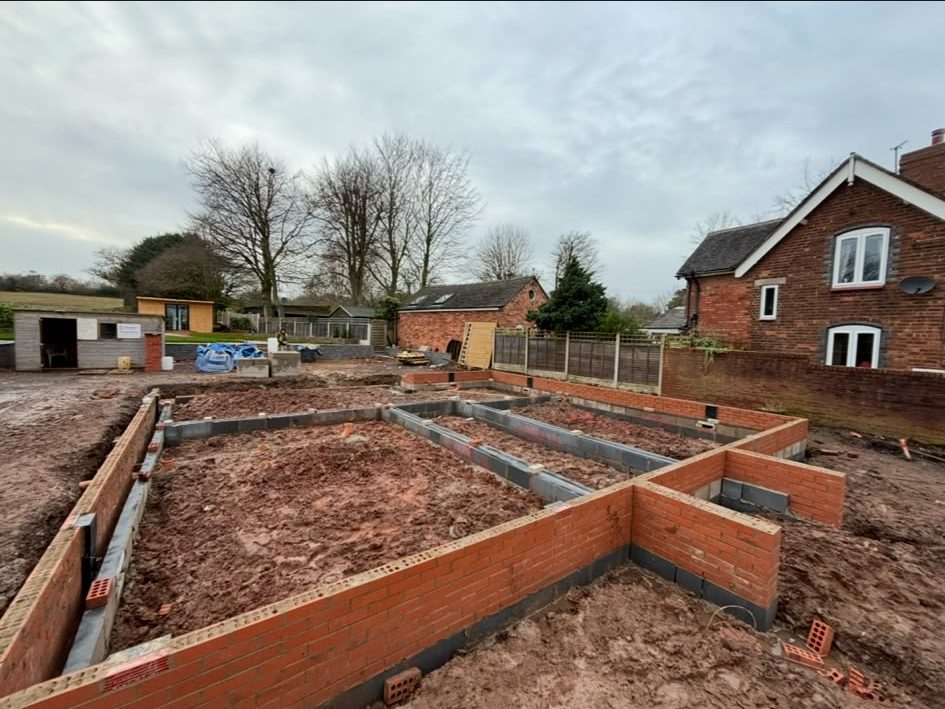
After removal, the next stage may involve excavation, drainage or rebuilding. The handover condition should match that next stage: remaining slabs, buried foundations and levels may all matter. Define whether those items are included in demolition or belong to the groundworks scope.
Commercial premises may remain partly occupied and require separation from staff, visitors or deliveries. Domestic sites have their own constraints around neighbours, pets and access to the house. Tell Matt about the setting so the sequence and protection can be discussed for the actual project rather than a generic site clearance.
Defining the handover before work starts
Mark the proposed removal on a plan or photographs and identify anything that must remain. Include nearby surfaces, adjoining structures and known services, along with any surveys or approvals already obtained. If there is uncertainty over ownership or a shared element, resolve the responsibility through appropriate advice rather than assuming a contractor can make that decision from the site appearance.
Discuss what ready for the next stage means in concrete terms. It may mean removal of an outbuilding only, or it may include a slab and other material; those are different scopes. Ask how disposal and discoveries will be handled and which specialist issues must be resolved before work begins. The next groundworks or building trade should understand what remains and what information is still needed. A clear handover avoids treating a visibly empty area as evidence that every buried obstruction, service or ground condition has already been assessed.
For staged projects, make sure the demolition scope and the next construction scope use the same boundaries. An outbuilding removed above ground may leave foundations or a slab that affect excavation later. A neighbour’s wall, an active drain or an area kept for access may also constrain the following stage. Discuss those interfaces rather than assuming clearance means removal of every below-ground element. Keep survey information and any relevant approvals with the project records. If a discovery changes the proposed method, pause for the appropriate assessment and scope discussion instead of treating the original quotation as permission to proceed regardless of conditions.
Related work and local coverage
Based in Norton Canes, MD Building Developments serves Cannock and the surrounding listed areas. Discuss your address and project scope with Matt.
Your questions answered
Demolition in Cannock: FAQs
How much does demolition in Cannock cost?+
Structure, condition, access, services, disposal and the agreed handover condition affect the price. No fixed rates have been supplied. A free quotation needs a clear description of what goes and what stays, plus any plans or survey information available.
How long does demolition and clearance take?+
Timing depends on the structure, preparation, access and required assessments or approvals. Disposal and the next stage of the build also affect the programme. Discuss dates once the scope is understood rather than assuming small buildings are always quick to remove.
Can you remove part of a building?+
That depends on the structure and the proposed alteration. Design information, temporary support or other specialist input may be required. Make clear what must remain and do not begin cutting or dismantling load-bearing elements based only on their appearance.
What if the building contains asbestos?+
Suspect material should be assessed before disturbance. Appropriate specialists may be required, and ordinary demolition is not evidence of authorisation for hazardous-material work. Tell Matt about known surveys or uncertainty so the scope can be discussed safely.
What determines how long the cleared site stays usable?+
The intended next use and remaining ground conditions matter more than a generic lifespan. Ask what will remain after clearance and whether further groundworks are needed. No guarantee that a cleared site is ready for every type of new construction has been provided.
Can you help with an unstable structure urgently?+
Emergency attendance is not guaranteed. Keep people clear and seek appropriate emergency assistance if there is immediate danger. A routine quotation should not delay action to protect people or neighbouring property.
Is a guarantee included with demolition work?+
No business guarantee terms have been supplied, so this page does not promise one. Ask Matt what written terms apply to your particular quotation, and distinguish any manufacturer terms from workmanship terms. Check the scope, exclusions and maintenance requirements before agreeing the work; a general claim of long-lasting results is not a substitute for a defined commitment.
Do you cover locations outside Cannock?+
The listed service areas include Walsall, Lichfield, Sutton Coldfield, Birmingham, Burton on Trent, Shenstone, Brewood and Wolverhampton, as well as Cannock. The business is based in Norton Canes. Give the property address and describe access when requesting your free quote so the proposed work can be discussed for the actual site.
Free, no-obligation quotes
Plan your demolition with a clear next step
Tell Matt what needs doing and where the property is. 20 years' trade experience, full public liability insurance and a free, no-obligation quote.