
Building services · Cannock
Landscaping
in Cannock
Turn outdoor space into practical routes and places to sit, with levels, drainage and supporting construction planned alongside the finish.
Get My Free Quote20 years' trade experience
5-person core team
Fully insured, public liability
Free, no-obligation quotes
The right starting point
Landscaping for your property
Landscaping can make a garden easier to use, but the visible paving or wall is only part of the work. Levels, water movement, ground preparation and the relationship to doors and boundaries affect how the space performs through changing weather. A useful design starts with what you need the garden to do.
MD Building Developments lists patios, paths, walls and garden structures among its landscaping services. For homeowners in Cannock, that may mean creating a sitting area, replacing uneven routes or coordinating outdoor work with an extension. Groundworks and bricklaying are also listed, which is relevant when the project needs more than a new surface placed over the existing garden.
Avoid the wrong repair
What can go wrong if the cause is missed?
An uneven or poorly drained surface can become awkward to use and may direct water towards areas that should remain dry. Simply laying a new finish over an unsuitable base risks repeating the same movement. Changes in levels can also affect thresholds, steps, boundaries and neighbouring land.
Common mistakes include selecting paving entirely by colour, overlooking the loads a surface will carry, or deciding drainage only after installation. A patio and a vehicle route may need different supporting arrangements even if the chosen finish looks similar. If a wall retains soil, its design needs to reflect that role. It should not be priced or built as a simple decorative boundary.
Our process
From assessment to completion
Understand the garden and intended use
Discuss access, seating, storage and any problems with water or uneven ground. Existing levels, nearby structures and the relationship to the house inform the scope. Photographs and a simple plan help, but important level and drainage decisions need assessment of the actual setting.
Agree construction and materials
Choose the finish alongside the proposed base, drainage and edge details. Confirm what will be removed, how waste and deliveries will be handled and how the new work connects to thresholds and existing paths. Material choice should suit both the intended use and the maintenance you are prepared to undertake.
Install, review and explain upkeep
The sequence follows the agreed preparation and finish. Review levels, junctions, the intended water route and the usability of the completed space. At handover, discuss product-specific care and any initial restrictions. A new appearance should be accompanied by an understanding of how the surface is maintained.
What this means for you
Practical benefits, fewer avoidable problems
Space planned around daily use
Clear routes, sensible transitions and a suitable sitting area can make a garden more useful. Explain mobility needs and how the household uses the space before settling the layout.
Water considered early
Drainage and levels are easier to coordinate before the finish is laid. That helps avoid a visually attractive area whose runoff creates a new problem beside the house or boundary.
Maintenance you understand
Different paving and jointing systems have different care needs. Choosing with that in mind helps avoid a finish that demands a level of upkeep you did not expect.
Materials, methods and planning
What to consider before landscaping starts
Patios and paved sitting areas
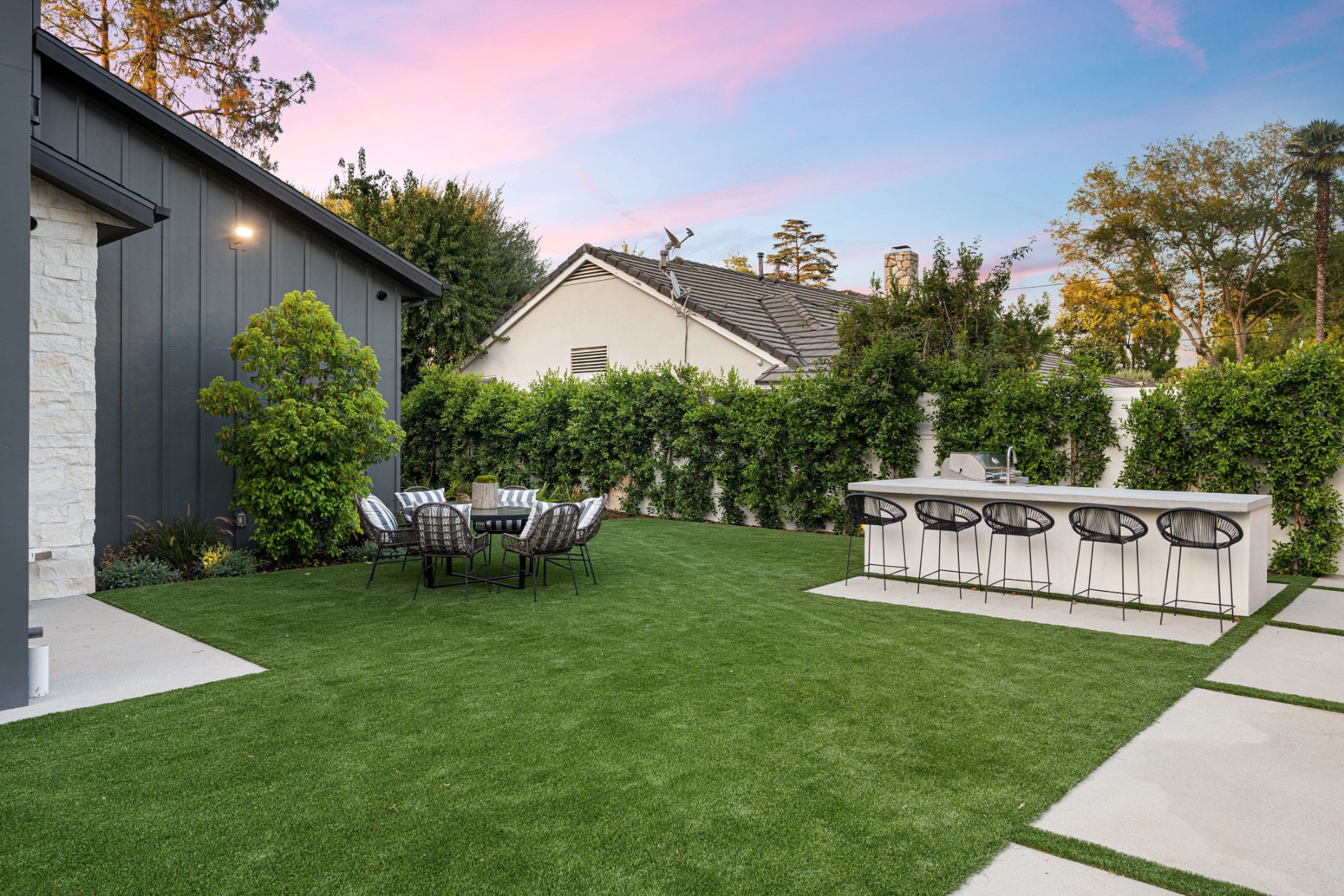
A patio needs to suit furniture, circulation and the surrounding levels as well as appearance. The shape and layout of the paving can influence cutting, joints and edge treatment. Discuss those details with the substrate and drainage rather than selecting a product independently of the construction.
Natural stone, concrete products and porcelain have different characteristics and installation requirements. Product guidance, exposure and intended use influence suitability. A sample gives a better basis for discussing colour and texture than a small online image, but it does not replace assessment of the proposed system.
Paths, steps and thresholds
Paths connect places people actually use: doors, bins, sheds and seating areas. Width, changes of level and the treatment of edges affect comfort and accessibility. Explain household needs so the layout does not create unnecessary detours or awkward transitions between existing and new surfaces.
Steps and retaining elements introduce additional considerations. Water should not be directed towards vulnerable thresholds simply because that is the shortest route. Existing damp protection and neighbouring ground levels may constrain the design, so discuss the house connection before deciding the final finished level.
Walls, edges and garden structures
Walls can define a sitting area, form a boundary or retain earth. Those are different purposes and may require different design input. The appearance of the brickwork should be considered alongside stability, top details and drainage where appropriate.
Edging helps define the surface and its relationship to planting or adjoining ground. The detail needs to suit the paving system and the expected use. Garden structures also need appropriate support and materials for outdoor exposure; clarify what is included rather than assuming every decorative feature belongs in the same quotation.
Ground preparation and different settings
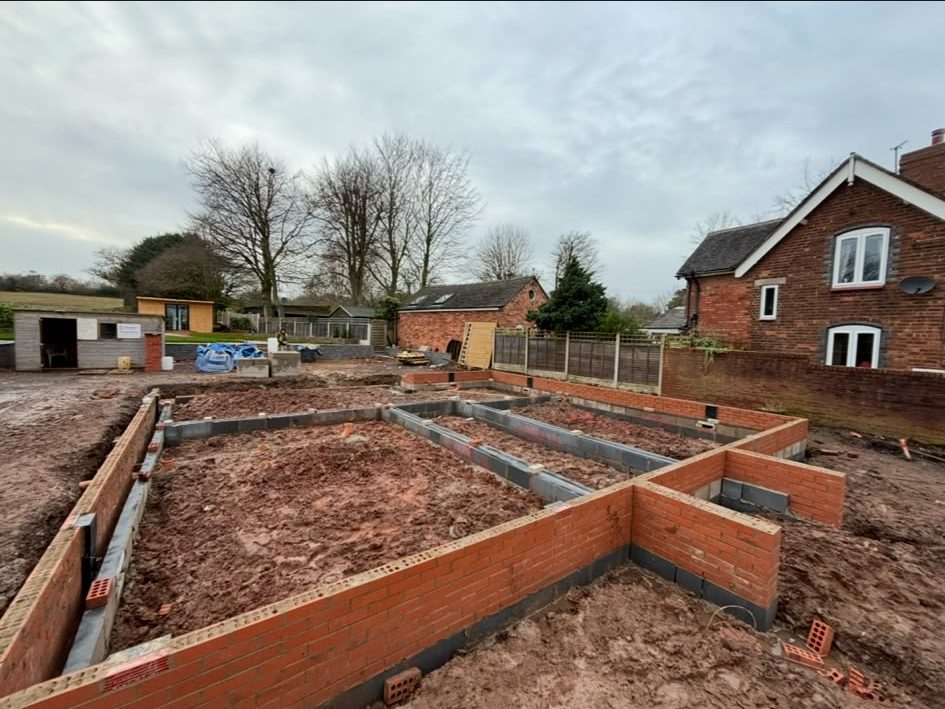
Existing soil, previous surfaces and access influence preparation. Material storage, spoil removal and the route for deliveries need planning, especially in gardens reached through a narrow passage. An apparently small patio can involve substantial preparation if the levels or existing base are unsuitable.
Domestic gardens and commercial outdoor areas may experience different traffic, loads and maintenance arrangements. Tell Matt if the surface will serve visitors, deliveries or vehicles rather than only a household. The construction should reflect its intended use, not just the product shown in the design inspiration.
Planning materials and garden access
Start with a sketch of the places the garden needs to connect and a list of the problems you want to address. Note where rainwater gathers, which routes become awkward and how furniture or storage will be used. Photographs taken in different conditions can help explain the issue, although levels and construction still need assessment. Explain whether existing planting, fences or surfaces must be retained.
Discuss delivery access, temporary storage and waste removal before ordering paving. A large product may need different handling from smaller units, and a narrow passage can affect the practical sequence. Ask how the quotation treats steps, edges and connections to existing surfaces; those details may occupy less area but still require substantial work. Product choice should reflect the environment and maintenance needs as well as the look you prefer. Clarify care guidance and when the finished space can be used, particularly where bedding or jointing materials need time before normal use.
Think about how the finished garden will be reached in poor weather, not only how it appears on a dry day. Routes to bins, sheds and doors may matter more frequently than the main sitting area. Describe any mobility or access concerns without assuming a particular product solves them. At the quotation stage, check whether the proposed finish, preparation, drainage and edge treatment are all included. Where two prices differ, compare those details before judging the total. A new surface should be chosen as part of a usable outdoor arrangement, with maintenance and water movement considered alongside colour and pattern.
Related work and local coverage
Based in Norton Canes, MD Building Developments serves Cannock and the surrounding listed areas. Discuss your address and project scope with Matt.
Your questions answered
Landscaping in Cannock: FAQs
How much does landscaping in Cannock cost?+
Area, preparation, material choice, levels, access and disposal affect the price. No fixed rates have been supplied. Request a free quote that separates the visible finish from the supporting construction and drainage so you can compare equivalent scopes.
How long does a patio or path take?+
Timing depends on size, ground preparation, weather and material requirements. Walls or drainage changes may add separate stages. Discuss the programme after the layout and existing conditions are assessed rather than assuming every garden has the same starting point.
Which paving material is best for my garden?+
There is no universal best choice. Intended use, appearance, maintenance, exposure and the installation system matter. Discuss samples and product guidance alongside the proposed base and drainage, not colour alone.
Can landscaping help with standing water?+
Possibly, but the source, levels and existing drainage need assessment. A new surface can worsen runoff if it is not planned properly. Explain where water gathers and when, and discuss whether groundworks or drainage changes are needed.
How long should a patio last?+
Lifespan depends on the material, supporting construction, use and upkeep. No fixed lifespan or maintenance-free guarantee has been provided. Ask for product-specific care information and address movement or drainage problems before they escalate.
Can you help with urgent outdoor damage?+
No emergency arrival time has been confirmed. Keep people away from unstable walls or dangerous changes in level and call to explain the issue. Planned landscaping and emergency safety work are different scopes.
Is a guarantee included with landscaping work?+
No business guarantee terms have been supplied, so this page does not promise one. Ask Matt what written terms apply to your particular quotation, and distinguish any manufacturer terms from workmanship terms. Check the scope, exclusions and maintenance requirements before agreeing the work; a general claim of long-lasting results is not a substitute for a defined commitment.
Do you cover locations outside Cannock?+
The listed service areas include Walsall, Lichfield, Sutton Coldfield, Birmingham, Burton on Trent, Shenstone, Brewood and Wolverhampton, as well as Cannock. The business is based in Norton Canes. Give the property address and describe access when requesting your free quote so the proposed work can be discussed for the actual site.
Free, no-obligation quotes
Plan your landscaping with a clear next step
Tell Matt what needs doing and where the property is. 20 years' trade experience, full public liability insurance and a free, no-obligation quote.