Building services · Cannock
Plastering
in Cannock
Get walls and ceilings ready for decorating, with the existing surface assessed before patches or a new skim are applied.
Get My Free Quote20 years' trade experience
5-person core team
Fully insured, public liability
Free, no-obligation quotes
The right starting point
Plastering for your property
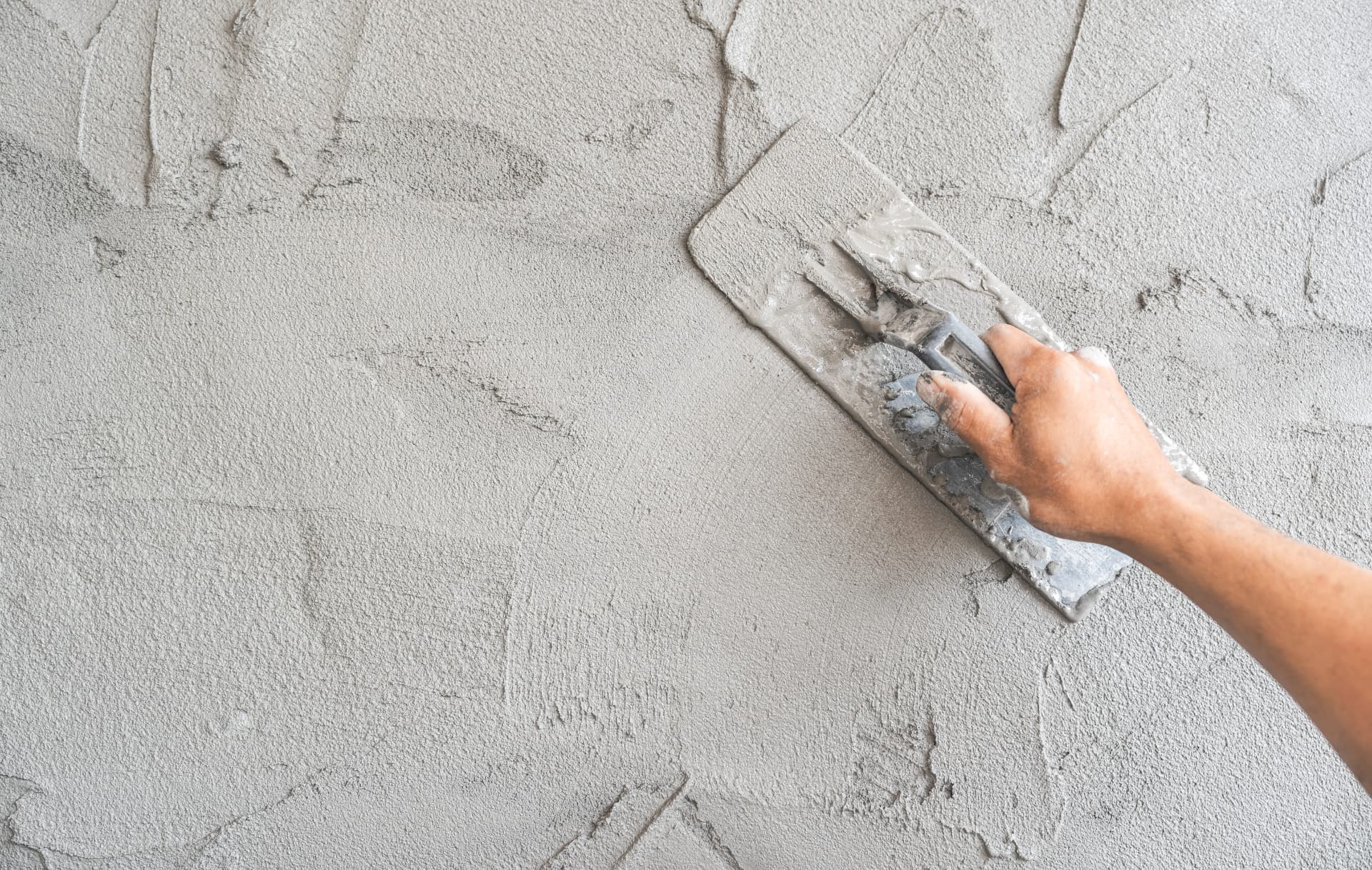
Plastering is the preparation behind a finished room. A smooth-looking wall needs a sound surface beneath it, appropriate treatment at junctions and enough time to dry before decorating. Sometimes the right scope is a local repair; elsewhere a full skim or new board-and-skim arrangement may be more sensible.
Homeowners in Cannock may need plastering after rewiring, an extension, removal of old finishes or repairs to damaged areas. MD Building Developments lists patch repairs and full skims among its plastering work. Plastering can also form part of a wider project, with carpentry, plumbing or electrical work planned so fresh surfaces are not immediately opened again for unfinished services.
Avoid the wrong repair
What can go wrong if the cause is missed?
Cracks, loose plaster and stains can have causes that a new surface will not remove. Moisture from a leak, condensation or another building issue needs investigation before finishing. Applying plaster over an unstable or contaminated background risks poor adhesion, recurring marks or further cracking. Where a ceiling is sagging or material is loose overhead, keep the area clear and arrange assessment.
Common mistakes include treating every textured or painted surface as suitable for skimming, decorating before drying is complete, or asking for a cosmetic repair before the source of damage has been addressed. Chases for new wiring and plumbing also need coordinating. Paying to skim first and then cutting the wall for services creates unnecessary repetition and a less predictable finish.
Our process
From assessment to completion
Inspect the background and damage
Review the existing wall or ceiling, including loose areas, coatings, cracks and signs of moisture. Explain any leak history or recent alterations. The assessment helps distinguish work that is ready for plastering from conditions that need another trade or further investigation first.
Agree preparation and the sequence
Preparation varies with the background and the specified finish. Discuss which areas need patching, boarding or a full skim, and how adjoining surfaces will be handled. Confirm that plumbing and electrical work is at the right stage so fresh finishes are not disturbed by avoidable follow-on work.
Apply, check and allow for drying
The work follows the agreed method and the needs of the materials. Review visible junctions and the finished surface, then discuss drying and decorating guidance appropriate to the conditions. A surface being dry to the touch does not necessarily mean it is ready for every decorative coating.
What this means for you
Practical benefits, fewer avoidable problems
A sensible decorating base
Assessing the background before finishing helps produce a surface suited to the next stage. It also avoids confusing cosmetic improvement with treatment of damp or structural movement.
Less repeated making good
Coordinating plastering with service alterations reduces the number of times walls are opened and repaired. The aim is a clear sequence where each trade finishes the work needed before the next begins.
Clearer expectations
Agreeing the extent of patch repairs, junctions and decoration makes quotations easier to compare. You can judge the scope against the actual room rather than an unclear promise to make every surface perfect.
Materials, methods and planning
What to consider before plastering starts
Patch repairs and full skims
Local repairs may suit sound surrounding plaster where damage is limited. A wider skim may be considered when there are numerous patches or a general change of finish. The existing surface, adhesion and any coatings determine what preparation is needed; area alone does not settle the method.
Discuss whether the repair is intended to blend with a neighbouring surface or form part of a whole-room finish. Existing texture and lighting can make local differences visible. The quotation should distinguish the plastering scope from decorating, removal of fixtures or other work that may be needed for the final appearance.
Plasterboard and new backgrounds
Boarding may be part of new partitions, ceilings or areas where the existing background cannot support the proposed finish. Board type and the full assembly should suit the setting. Moisture, fire and acoustic requirements may affect the choice, particularly around bathrooms or changes of room use.
Joints, edges and openings deserve attention because they are common places for movement or visible defects. New boards need coordination with timber framing and services. Explain planned lights, sockets and pipe routes before closing a surface so access requirements are not discovered after finishing.
Older surfaces and material choice
Older buildings may contain backgrounds or finishes that need a different approach from a modern board-and-skim system. Existing materials, moisture behaviour and the condition of the wall matter. If a specialist finish or conservation-sensitive treatment is needed, clarify that before agreeing a standard skim.
Do not assume covering a textured surface is always straightforward. The material may need assessment before disturbance, particularly where its composition is unknown. Tell Matt what you know about the age and previous treatment of the surface; uncertainty should be resolved rather than hidden under new work.
Drying, light and decorating
Drying conditions vary with thickness, temperature, ventilation and the background. Plan decorating around the actual condition and the product guidance, not a universal number of days. Forcing a finish onto a surface before it is ready can affect appearance and adhesion.
Strong side lighting can reveal surface variations that are less noticeable in ordinary room light. Discuss the intended decoration and existing lighting when reviewing the work. In commercial premises, access and the timing of other trades may matter as much as drying; at home, protection of furniture and daily routes through rooms needs planning too.
Room preparation and what the quote covers
Describe the rooms, ceilings and damaged areas separately so the proposed work is easy to understand. Include photographs showing the full wall as well as close views of cracks or stains. Explain whether wallpaper or other coverings will be removed before assessment and whether electrical or plumbing alterations are planned. A surface visible today may differ from the background uncovered during preparation, so the quote should make those assumptions clear.
Discuss removal and protection of furniture, access around fittings and the extent of making good at adjoining surfaces. Plastering does not automatically include new decorative paint, refitting every accessory or correcting every underlying building defect. Clarifying those boundaries lets you plan the remaining work. If the final decoration is particularly sensitive to surface appearance, say so during the first conversation. Agree how the finished area will be reviewed and what drying guidance will be supplied, then allow the actual conditions and product instructions to inform the decorating date.
If damage follows a leak, explain whether the affected area has been investigated and what repairs have already been completed. A dry-looking stain does not confirm that the cause has been removed. Similarly, a recurring crack may need assessment beyond a local plaster repair. Share that history before comparing quotations so preparation and exclusions are visible. When the work is complete, keep any decorating guidance and follow the requirements of the chosen coating. The room conditions and the actual background influence readiness. Booking decoration too early can undo the benefit of careful preparation and create another round of making good.
Related work and local coverage
Based in Norton Canes, MD Building Developments serves Cannock and the surrounding listed areas. Discuss your address and project scope with Matt.
Your questions answered
Plastering in Cannock: FAQs
How much does plastering in Cannock cost?+
Room size, preparation, background condition, ceilings and the extent of repair affect the quotation. A local patch differs from full boarding and skimming. No fixed price list has been supplied; send photographs and dimensions for a free scope-based discussion.
How long does plastering take, including drying?+
Working time and drying time are different. Both depend on the area, preparation, conditions and materials. Ask about the likely sequence and decorating stage after assessment rather than booking decoration against an assumed universal drying period.
Can you plaster over damaged or stained walls?+
The cause needs checking first. A stain from an active leak or loose material beneath the surface will not be solved by a cosmetic skim. Explain the history and whether repairs to plumbing or roofing have already been completed.
Will my walls need boarding or only a skim?+
That depends on the existing background and the proposed finish. Sound plaster may allow a different approach from loose or unsuitable surfaces. Ask the quotation to explain the preparation rather than comparing prices for treatments that are not equivalent.
How long should plaster last?+
Performance depends on the background, moisture, movement and use of the building. No fixed lifespan or permanent crack-free guarantee has been provided. Deal with leaks promptly and investigate recurring cracks instead of repeatedly covering them.
Can you help urgently with a damaged ceiling?+
Emergency attendance is not guaranteed. Keep people away from sagging or loose overhead material and explain the condition. If there is an active water or electrical hazard, arrange the appropriate help before considering a cosmetic repair.
Is a guarantee included with plastering work?+
No business guarantee terms have been supplied, so this page does not promise one. Ask Matt what written terms apply to your particular quotation, and distinguish any manufacturer terms from workmanship terms. Check the scope, exclusions and maintenance requirements before agreeing the work; a general claim of long-lasting results is not a substitute for a defined commitment.
Do you cover locations outside Cannock?+
The listed service areas include Walsall, Lichfield, Sutton Coldfield, Birmingham, Burton on Trent, Shenstone, Brewood and Wolverhampton, as well as Cannock. The business is based in Norton Canes. Give the property address and describe access when requesting your free quote so the proposed work can be discussed for the actual site.
Free, no-obligation quotes
Plan your plastering with a clear next step
Tell Matt what needs doing and where the property is. 20 years' trade experience, full public liability insurance and a free, no-obligation quote.