
Building services · Cannock
Plumbing
in Cannock
Plan new and altered pipework around how your home is used, with access, drainage and the surrounding building work considered from the start.
Get My Free Quote20 years' trade experience
5-person core team
Fully insured, public liability
Free, no-obligation quotes
The right starting point
Plumbing for your property
Plumbing work supports the everyday use of a property: water must reach the fittings that need it, waste must have a suitable route away, and important connections must remain accessible. During an extension or alteration, that means looking beyond the new basin or radiator to the existing arrangement and the demands the change introduces.
For property owners in Cannock, the plumbing service described by MD Building Developments includes new installations, alterations and extension plumbing. The supplied business information also confirms Gas Safe registered team members. Any gas-related work must be matched to an appropriately qualified person and the specific task; registration should never be treated as permission for every kind of gas work.
Avoid the wrong repair
What can go wrong if the cause is missed?
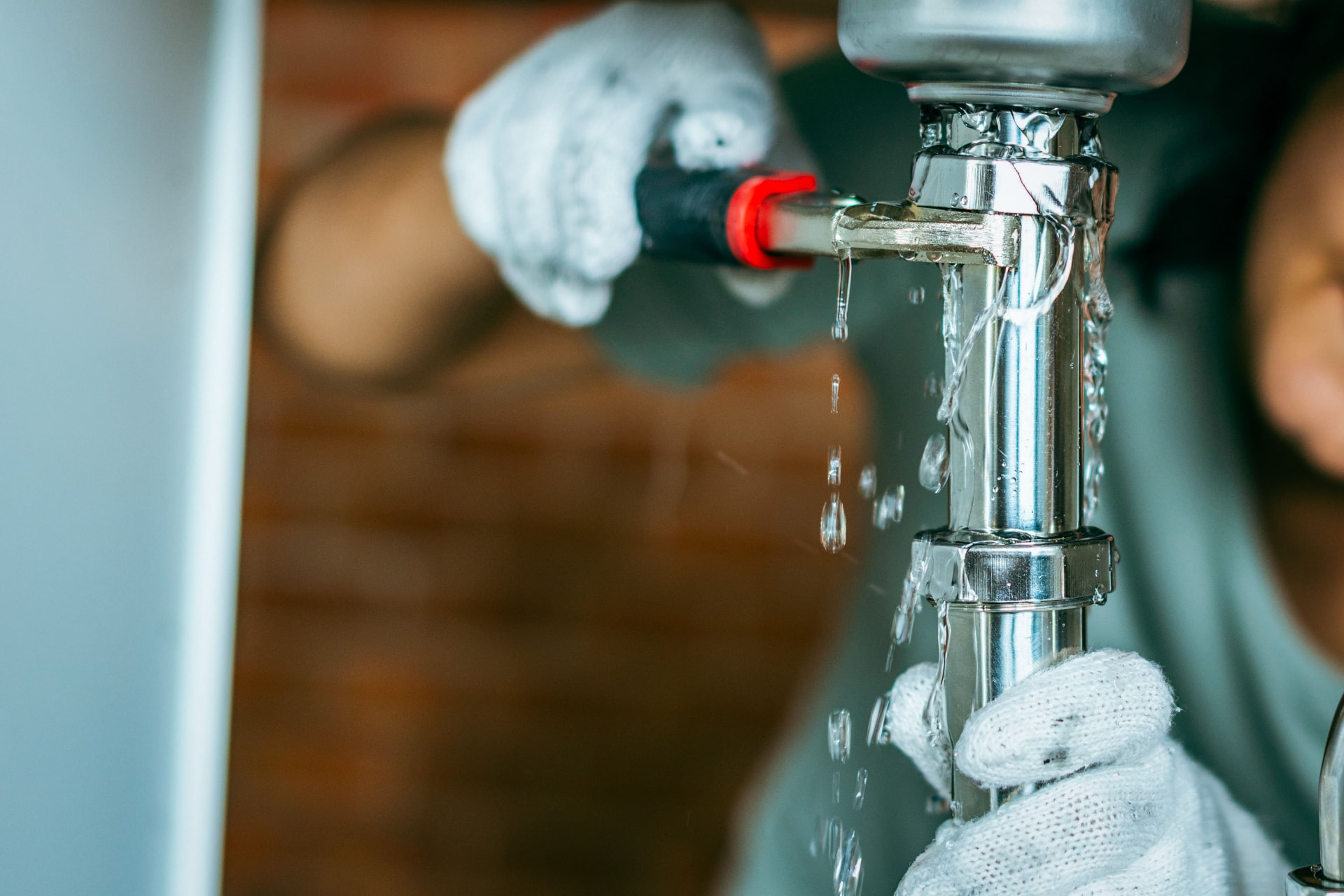
Small leaks can damage finishes, timber and concealed areas before the visible sign seems serious. Repeatedly sealing around a fitting without checking the source may leave the problem active. Pipe routes that cannot be accessed can also turn a future minor repair into a larger opening-up job.
Common mistakes during alterations include choosing fittings before checking the available services, assuming an existing system can support additional demand, and closing floors or walls before connections are reviewed. Waste routes and ventilation arrangements need attention as well as supply pipes. If there is a suspected gas escape, follow the gas supplier's emergency guidance and contact the appropriate emergency service; do not wait for a normal building quotation.
Our process
From assessment to completion
Review the existing arrangement
Explain the proposed rooms, fittings and any current problems. Existing supplies, waste routes, system condition and access help determine what needs further assessment. Photographs are useful for a first conversation, but concealed pipework and performance concerns may require inspection before the full scope can be understood.
Coordinate routes and installation
Agree the intended layout with the building work and other trades. Access for important fittings and connections should be considered before boxing in or closing surfaces. If gas work forms part of the project, confirm the person carrying it out has registration appropriate to that particular task.
Check operation and hand over
The checks and records depend on the work completed. Discuss how connections, drainage and the operation of altered items will be reviewed before finishes are closed. At handover, clarify controls, access points and any relevant care information so the system is understandable to the person using it.
What this means for you
Practical benefits, fewer avoidable problems
A layout that works in practice
Checking supplies and waste routes before agreeing positions helps avoid fittings that look right on a plan but create awkward access or drainage arrangements once installed.
Better access for future care
Thinking about valves, connections and service points before enclosing them can make later maintenance less disruptive. Hidden does not need to mean impossible to reach.
Coordinated finishing
Planning pipework with carpentry, plastering and groundworks reduces avoidable opening of new surfaces. The quotation can distinguish plumbing work from the making good and decorating that follows.
Materials, methods and planning
What to consider before plumbing starts
Extension plumbing and new rooms
Adding a room may change the distance water and waste need to travel, introduce extra demand or require alterations to existing pipe routes. The proposed layout should be discussed alongside the current arrangement. An extension is not simply a reason to copy the nearest existing fitting.
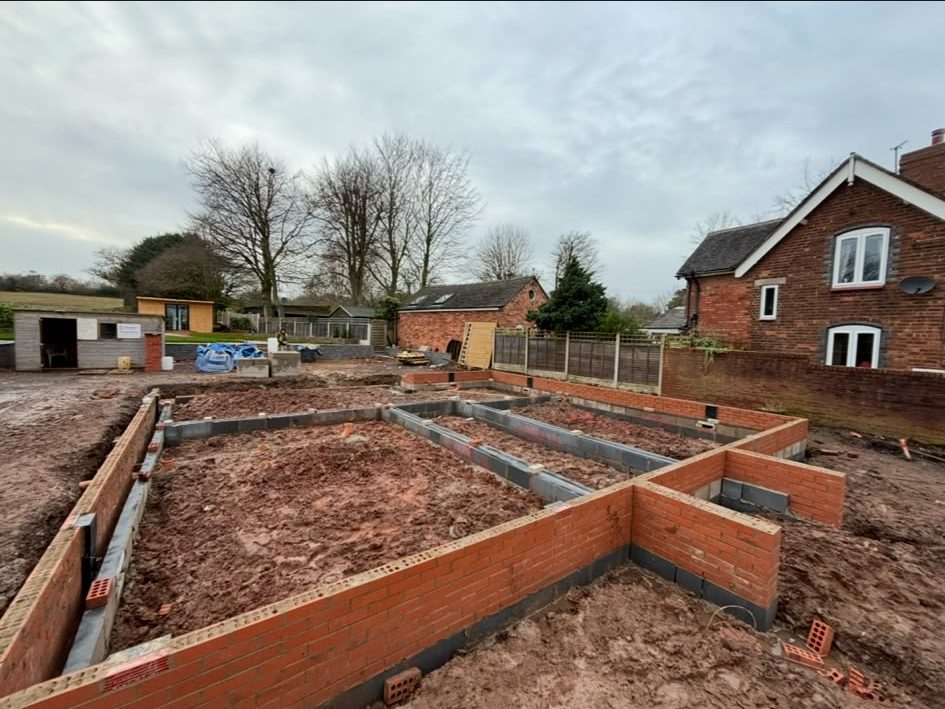
Drainage connections and floor levels can constrain where fixtures sensibly go. Consider these before committing to finishes or ordering products. Groundworks may be involved where external drainage changes are needed, while carpentry and plastering need to follow a coordinated first-fix sequence.
Alterations and concealed pipework
Existing buildings may contain several generations of pipework and previous changes. Knowing the visible route does not always reveal what happens inside a wall or floor. The scope should allow discussion of discoveries rather than assume every concealed connection is in suitable condition.
Pipe material and connection method need to suit the system and the work. Access, temperature, exposure and compatibility affect selection. Keep the conversation focused on the proposed performance and setting, not simply which product is cheapest on a supplier's website.
Fittings, controls and maintenance access
Replacement fittings need to work with the available connections and the intended use. Measurements, product information and access are useful before quoting. The overall arrangement matters: a fitting can be well made but inconvenient to maintain if it is permanently buried behind a new finish.
Discuss isolating points and any controls affected by the alteration. Understanding how to use and maintain the completed work is part of a practical handover. Where product instructions specify care or servicing, those requirements should remain available rather than be discarded with the packaging.
Gas-related scope and different settings
The confirmed business information is that team members are Gas Safe registered. For proposed gas work, check the current registration and the categories relevant to the job. Do not assume an ordinary plumbing alteration includes gas appliance work, commissioning or a particular certificate unless that is clearly agreed.
Domestic and commercial premises can have different systems, usage patterns and requirements. Explain whether the job is in a house, rental property or business premises and whether the space will stay occupied. That allows the work and any specialist input to be discussed for the actual setting rather than a generic description of plumbing.
Preparing a plumbing enquiry
A useful enquiry describes the current arrangement and the desired change, not just a shopping list of fittings. Include photographs of accessible pipework and explain known leaks, poor performance or previous alterations. If an extension is involved, supply the proposed room layout and information about drainage where available. These details help identify whether the work is a local alteration or part of a broader coordination problem.
Before purchasing products, ask what dimensions, connection information and installation requirements need checking. State who will supply fixtures and whether the quote should include removal of old items and making good around the new work. Where water supplies will be interrupted, discuss how that affects the occupied property and the planned sequence. Do not assume every system can remain fully usable during alteration. An agreed scope should also identify any specialist work or records needed, especially where a gas-related task is proposed alongside ordinary plumbing.
For an occupied home, identify any essential fittings that affect the household during the work, and discuss the proposed sequence before installation starts. This is particularly important where more than one room or a shared supply is involved. If another contractor is completing decoration or boxing, clarify when access must remain open for checks. Do not permanently enclose a connection simply because the visible fitting is installed. At completion, ask about the location and use of relevant controls or isolating points, and retain product instructions. A useful handover helps you manage the finished arrangement rather than relying on memory of a conversation during construction.
Related work and local coverage
Based in Norton Canes, MD Building Developments serves Cannock and the surrounding listed areas. Discuss your address and project scope with Matt.
Your questions answered
Plumbing in Cannock: FAQs
How much does plumbing in Cannock cost?+
The price depends on the installation, access, existing condition, products and the extent of making good. No fixed rates have been supplied. A free quotation should define the work and distinguish fixtures, concealed alterations and finishing responsibilities.
How long will extension plumbing take?+
Timing depends on the room layout, access and other trades. First fix and final connections may happen at different stages. Discuss the programme with the building work rather than assuming every fitting can be installed in a single visit.
Are the team Gas Safe registered?+
The supplied business facts confirm Gas Safe registered team members. For any gas task, check the individual registration and the categories relevant to the proposed work. The quotation should make clear whether gas work is included and what documentation applies.
Can pipework be moved for a new room layout?+
Possibly, but supplies, waste routes, levels and access need assessment. A preferred position may require wider alterations than expected. Share the proposed layout before ordering fittings so the practical constraints can be discussed.
How long should new plumbing last?+
There is no single lifespan for all pipes, valves or fittings. Materials, water conditions, use and maintenance influence performance. Ask for relevant product information and keep service access available; no maintenance-free guarantee has been supplied.
Do you offer an emergency plumbing service?+
No emergency arrival time or dedicated call-out service has been confirmed. Call to explain the issue. For a gas escape or another immediate hazard, contact the appropriate emergency service rather than waiting for a quote.
Is a guarantee included with plumbing work?+
No business guarantee terms have been supplied, so this page does not promise one. Ask Matt what written terms apply to your particular quotation, and distinguish any manufacturer terms from workmanship terms. Check the scope, exclusions and maintenance requirements before agreeing the work; a general claim of long-lasting results is not a substitute for a defined commitment.
Do you cover locations outside Cannock?+
The listed service areas include Walsall, Lichfield, Sutton Coldfield, Birmingham, Burton on Trent, Shenstone, Brewood and Wolverhampton, as well as Cannock. The business is based in Norton Canes. Give the property address and describe access when requesting your free quote so the proposed work can be discussed for the actual site.
Free, no-obligation quotes
Plan your plumbing with a clear next step
Tell Matt what needs doing and where the property is. 20 years' trade experience, full public liability insurance and a free, no-obligation quote.